
.svg)
How to Get Your Site Cited by ChatGPT & Perplexity (2026)

Published
June 17, 2026
.svg)
TL;DR — How to get cited by ChatGPT and Perplexity First, let their crawlers in (GPTBot, OAI-SearchBot, PerplexityBot, and friends — a page that isn't fetched can't be cited). Then earn the citation: build a consensus signal (your brand showing up consistently across Reddit, G2, YouTube, and industry sites, not just your own), structure content answer-first with hard statistics, be a recognizable entity, and stay fresh — Perplexity cites pages under 30 days old about 82% of the time.
When someone asks ChatGPT for "the best agency for X" or researches you on Perplexity, there's no page two to climb to. Either the AI names you in its answer, or you don't exist for that query. Getting cited is the new page-one — and the gap between platforms is enormous: one 2026 study of 34,234 AI responses found brands cited just 0.59% of the time by ChatGPT versus 13.05% by Perplexity (a 46× difference).
This is the practical side of Generative Engine Optimization. Here's how the two biggest AI engines actually pick sources, and the playbook to become one.
They work differently, and that changes your tactics.
ChatGPT runs on two layers: a base layer of training data (crawled before the model's cutoff) and a Bing-powered retrieval layer that activates mostly for commercial-intent queries — ones containing words like "reviews," "comparison," "features," or a year like "2026." It's selective about citing brands and leans on encyclopedic sources (Wikipedia is its single most-cited source, ~7.8% of citations).
Perplexity performs a real-time web search on every query, pulling from multiple APIs (Google and Bing), reading candidate pages, and citing them. It has no knowledge cutoff — new content can be cited within hours of being indexed — and it cites far more liberally, including community sources (Reddit is a top source at ~6.6%).
The practical implication: Perplexity rewards freshness and crawlability fast; ChatGPT rewards consensus and authority that build over time. You optimize for both with overlapping work.
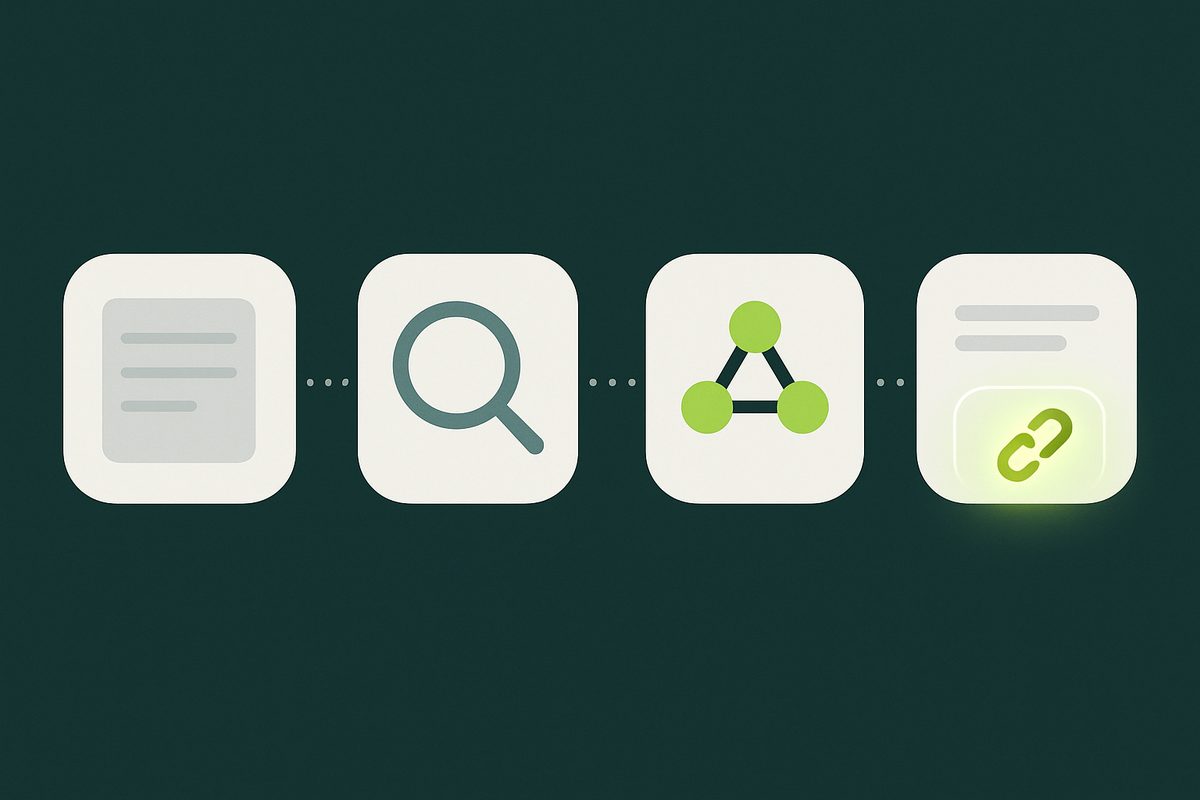
A page that isn't fetched can't be indexed, and a page that isn't indexed can't be cited. Check your robots.txt and make sure you're not blocking the AI crawlers:
Many sites block these by accident (or via an over-aggressive security plugin) and quietly disappear from AI answers. This is the single most common own-goal.
AI engines look for agreement across multiple independent sources before confidently citing a brand. If you show up with consistent positioning across Reddit threads, YouTube, G2/Capterra reviews, industry publications, and your own site, the model gains confidence in recommending you. Your website alone is rarely enough — this is why GEO is partly an off-site, PR, and reputation game, not just on-page work.
Give engines passages they can lift cleanly: a direct, self-contained answer in the first 40–60 words under a question-style heading, then specifics. Concrete, verifiable numbers and named sources are what get quoted — fluff gets skipped. (This is the AEO structure, and it doubles as GEO fuel.)
The original research on AI citations found adding statistics was the biggest single lever. Put real, sourced data and clear, attributable statements in your key pages — they give models something safe to cite and attribute.
Perplexity cited content published within the last 30 days about 82% of the time in one 2026 analysis, and visible year signals — like "2026" in titles and headings — improved citation rates by roughly 30%. Date your content, update it regularly, and signal recency.
Consistent brand name, real authors with credentials, an authoritative About page, and a clean presence across the web help engines trust and attribute you. Models cite entities they "know."
Featured-snippet pages are cited in Google's AI Overviews at roughly 2× the rate of non-snippet pages, so classic AEO work directly feeds AI citations.
llms.txt is a simple Markdown file at your domain root that gives AI models a clean, curated summary of your site. It's cheap to add and forward-looking, but be honest about it: as of early 2026, no major AI company has committed to using it in production, and GPTBot only fetches it occasionally. Add it as a low-cost bet, not a silver bullet.
We're an AI-Native studio, so citation-readiness is built into the site, not bolted on: AI crawlers allowed, answer-first content architecture, schema on every template, entity-clear authorship, fresh-content workflows, and fast crawlable pages — paired with a content plan that builds the off-site consensus signal. With 150+ projects delivered, we don't just make sites rank; we make them the source AI quotes.
Want to know why AI isn't citing you yet? Get a free Website Audit and we'll check your crawler access, structure, and consensus signals — and show you what to fix first. For the full framework, see our AI search optimization guide.
Make sure OpenAI's crawlers (GPTBot, OAI-SearchBot, ChatGPT-User) aren't blocked, build authority and consensus across third-party sources, and create fact-dense, answer-first content — especially comparison and "best" content, since ChatGPT's retrieval layer activates on commercial-intent queries.
Allow PerplexityBot, keep content fresh (Perplexity favors recent pages and can cite within hours of indexing), structure answers clearly, and earn mentions across the web. Perplexity cites far more readily than ChatGPT.
The most common reasons are blocked AI crawlers, thin or non-extractable content, weak off-site consensus (you only appear on your own site), and stale pages. Check crawler access first — it's the precondition.
It might help over time, but as of early 2026 no major AI provider has committed to using llms.txt in production. Add it as a cheap, forward-looking bet — not a guaranteed lever.
Perplexity can cite fresh, crawlable content within hours to days. ChatGPT citations build more slowly because they depend on training data and consensus authority that accrue over weeks to months.
Yes. Being named in an AI answer is the new top-of-funnel, and AI-referred visitors tend to convert at a premium because the engine pre-qualified you. The metric shifts from clicks to "share of model."
18 Meriden grove Bolton BL6 4RQ
.svg)
.svg)
C-Block, Citi Housing Jhelum, 49600
.svg)
.svg)
.svg)
.webp)
